Surgery and Neutering for Dogs and Cats in Nicosia
Spaying, neutering and soft tissue surgery by Dr George Karantos, who holds a GPCert in Small Animal Surgery. The same vet looks after your pet from the first exam to full recovery.
What surgery we do
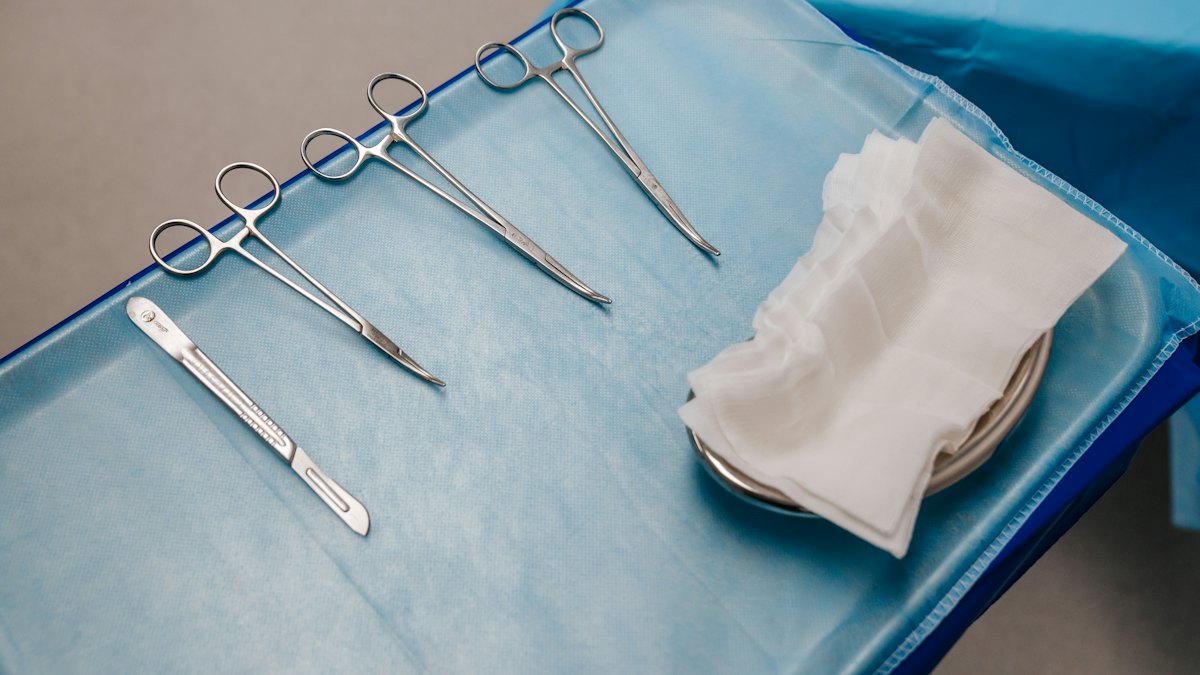
Dr George Karantos holds a GPCert in Small Animal Surgery, an extra qualification in surgery for dogs and cats. At our clinic we do:
- Spaying of females and neutering of males, in dogs and cats
- Soft tissue surgery, for example removing skin lumps, surgery inside the belly, and cleaning and stitching wounds
- Minor procedures that need light sedation
If your pet needs an operation that is better done at a specialist centre, we will tell you openly and refer you.
Before surgery
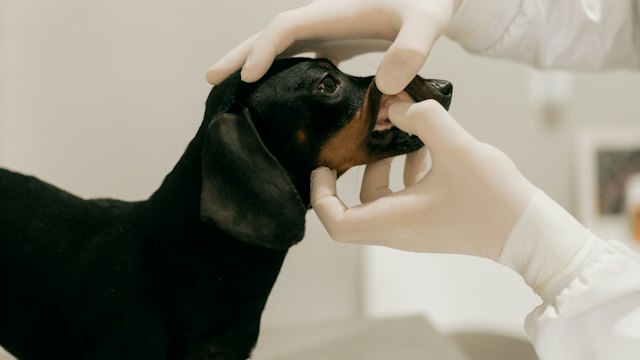
- Examination. We examine your pet and talk through the operation, its benefits and its risks.
- Blood tests. We often suggest blood tests before anaesthesia, especially in older pets, so we know the kidneys and liver are working well. They are done in the clinic.
- Fasting. We will tell you when to stop food before the operation. Water is usually allowed. Please follow our instructions, as they vary from pet to pet.
On the day
Your pet sleeps under general anaesthesia and feels nothing. Throughout the operation we monitor breathing, heart and temperature. We give pain relief before, during and after surgery, because good pain control helps pets recover faster.
For most routine operations, such as spaying and neutering, your pet goes home the same day.
At home after surgery
- Keep your pet quiet in a warm, clean place, usually for 10 to 14 days.
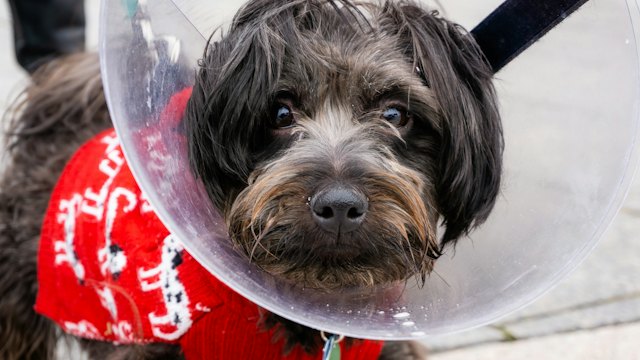
- Do not let them lick the wound. Use a protective cone or a recovery suit.
- Give the pain relief exactly as we advised. Never give your own medicines.
- Check the wound every day. If you see redness, swelling, discharge or open stitches, call us.
- Come to the re-check we book for you.
Why trust us
The same vet who knows your pet examines them, operates on them and looks after them afterwards. You are not passed from hand to hand, and you always know who to call if you have a question.
Is anaesthesia safe?
No anaesthetic is completely risk-free, but in healthy pets serious problems are rare. We lower the risk with a careful exam beforehand, blood tests where needed, close monitoring throughout the operation, and a warm, quiet place for your pet to wake up.
Before any operation we will talk openly about the risks for your pet in particular, especially if they are older or have a health problem, and we will answer every question you have.
Frequently asked questions
How long is recovery after spaying or neutering?
Usually 10 to 14 days of quiet rest. Most pets feel much better within a few days.
Will my pet be in pain?
We give pain relief before, during and after surgery, and medicine for home, so your pet stays comfortable.
Are blood tests needed before surgery?
We often suggest them, especially for older pets, to make sure anaesthesia is safe. They are done in the clinic.
Should my pet skip food before surgery?
Yes, we will tell you exactly when to stop food. Water is usually allowed.
Will my pet go home the same day?
For most routine operations, such as spaying and neutering, yes.
Related articles
Sources and further reading
The facts in this article are based on guidance from international and European veterinary organisations.
Talk to us about surgery
Call us to book an examination and talk through what your pet needs.
📞 22 015979