Blood Tests for Dogs and Cats in Nicosia
Blood tests show us what is happening inside your pet's body, often before any signs appear. We run them in the clinic, so we usually have results the same day.
What a blood test shows
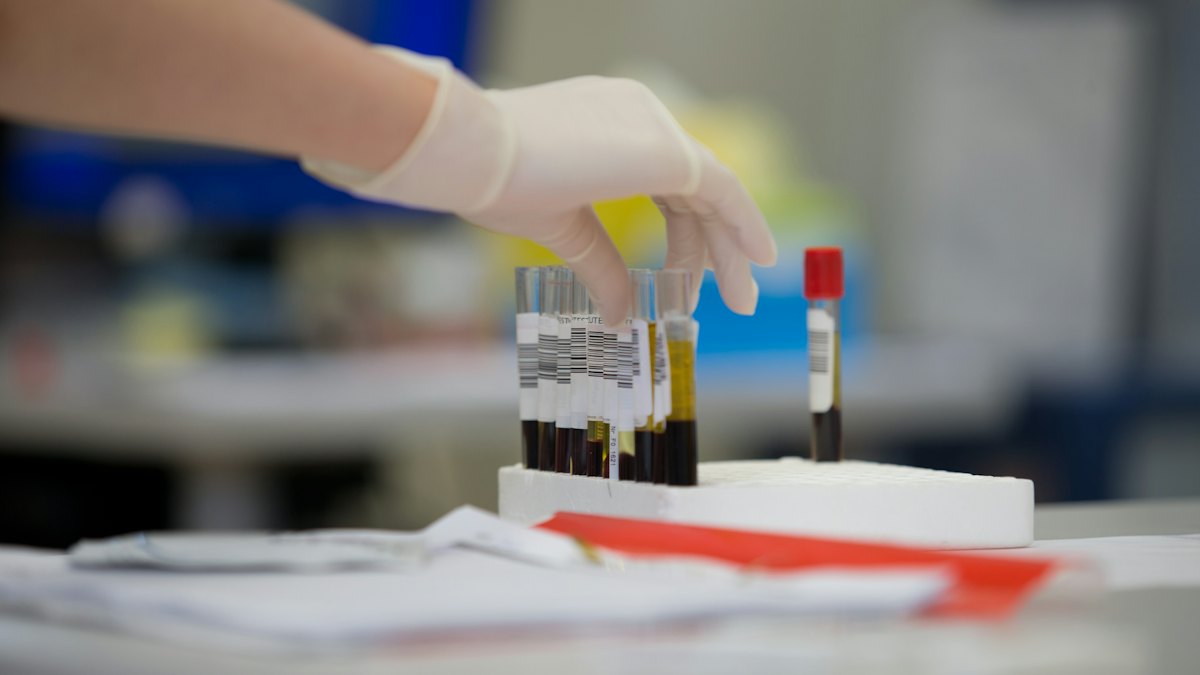
A small blood sample tells us a lot about how your pet's body is working. We often see changes before any signs appear. Depending on what is needed, we run:
- Full blood count (haematology). We count the red and white blood cells and the platelets. This shows us if there is anaemia, inflammation or infection.
- Biochemistry. This shows how the kidneys, liver and pancreas are working, and the levels of sugar, proteins and salts in the blood.
- Hormone tests. For example for the thyroid, which often causes problems in older cats.
- SDMA test. A marker that can show kidney changes earlier than older tests.
When does your pet need a blood test?
- When your pet is unwell: not eating, losing weight, vomiting, tired or drinking a lot of water.
- Before an anaesthetic or surgery, to make sure it is safe.
- At the yearly check-up, especially for senior dogs and cats.
- When your pet takes medicine for a long time.
- To keep track of a long-term condition, such as kidney disease or diabetes.
How it works at our clinic
- Taking the sample. We take a little blood, usually from a vein in the leg or neck. It takes a few minutes and most pets stay calm.
- Testing in the clinic. Most tests are done here on our own machines, so we usually have results the same day.
- Fast results. The SDMA test is ready in about 12 minutes. The senior test package (kidneys including SDMA, liver, pancreas, thyroid) takes about 25 minutes.
- Explaining the results. We explain in simple words what the results show and whether anything else is needed.
How to prepare
Bring the medicines or supplements your pet takes, or a photo of the packaging. For cats, a closed carrier with a familiar blanket helps them stay calmer.
Why it matters
Many diseases, such as kidney, liver or thyroid problems, develop quietly. When we find them early, treatment is usually simpler and works better. That is why international guidelines suggest a check at least once a year, and more often for senior pets.
A test while your pet is healthy is also useful. It gives us a baseline of what is normal for your pet, so we can spot changes more easily in the future.
After the test
After the blood sample you may see a small mark or bruise where the blood was taken. This is normal and goes away in a few days. Your pet can eat, drink and play as usual. If the results show something that needs attention, we will explain the next steps and whether the test should be repeated in a while.
Frequently asked questions
Does taking blood hurt?
Most dogs and cats only feel a small prick. We take a little blood, quickly and calmly.
Does my pet need an empty stomach?
For some tests, yes, for a few hours. Water is usually fine. We will tell you when you book.
When will I get the results?
Most tests are done in the clinic and results are usually ready the same day. The SDMA test is ready in about 12 minutes.
How often should a healthy pet have blood tests?
We suggest a check once a year, and more often for senior pets or pets with a long-term condition.
What is the SDMA test?
It is a blood marker that can show kidney changes earlier than older tests, so we can start treatment sooner.
Related articles


Sources and further reading
The facts in this article are based on guidance from international and European veterinary organisations.
Book a blood test
Call us to book an appointment. We will tell you if your pet needs to come in with an empty stomach.
📞 22 015979