Nutrition and Clinical Diets for Dogs and Cats
The right food is part of good health and often part of treatment. We help you find what suits your pet and how much to feed.
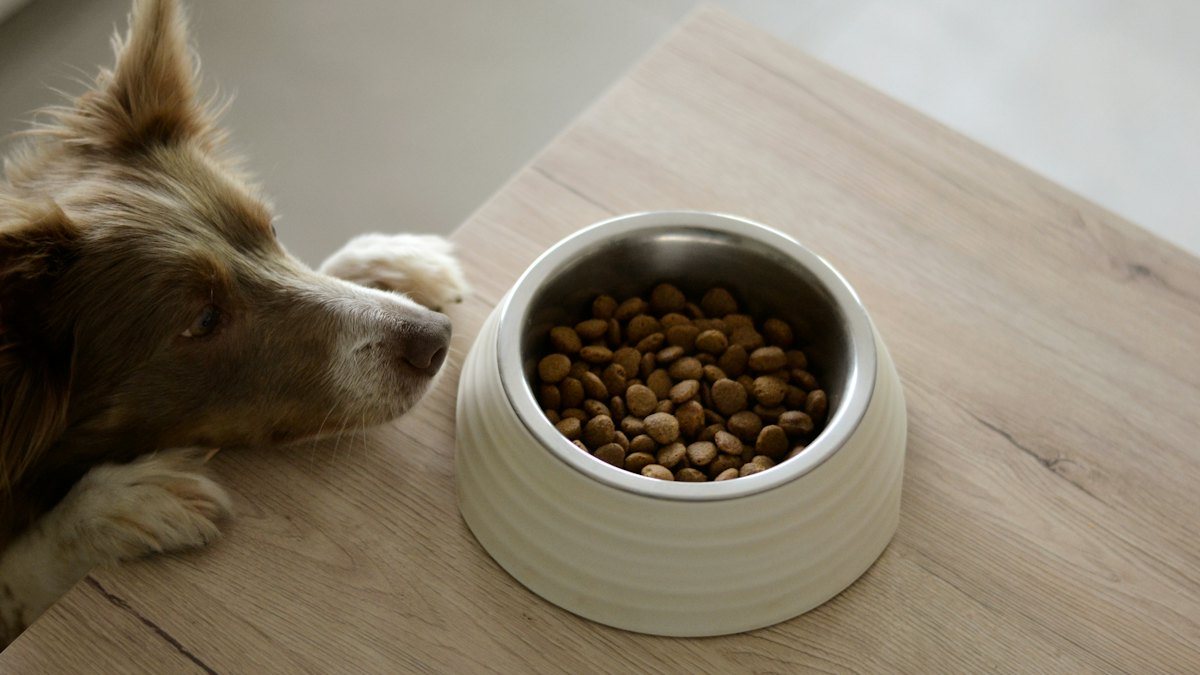
Why nutrition is part of health
What your pet eats every day affects its weight, skin and coat, digestion and energy. In many diseases, the right food is part of the treatment. That is why we do a quick nutrition check at every visit, as international guidelines recommend.
What we check
- Weight. We weigh your pet and keep a record, so we can spot small changes early.
- Body condition. Using our hands and eyes, we score how much fat your pet carries on a scale from 1 to 9. We also check the muscles, which can shrink with age or illness.
- What your pet eats. We ask which food you give, how much, how many treats and whether your pet eats anything from the table.
- Health. We link all of this with the examination and, where needed, with blood tests.
Clinical diets
Clinical diets are special foods made for specific health problems. We only suggest them when there is a reason, and we explain why. They are often used for:
- Kidneys: for pets with kidney disease, to put less strain on the kidneys.
- Urinary tract: for crystals or stones in the bladder and for urinary problems in cats.
- Gut: for vomiting, diarrhoea or a sensitive stomach.
- Skin and allergies: for pets with itching or a food allergy.
- Weight: for safe weight loss in overweight dogs and cats.
How we work with you
- Assessment. We examine and weigh your pet and talk about what it eats.
- A plan. We suggest a food, a daily amount and how many treats are allowed.
- Changing food. The new food goes in slowly, mixed with the old one, over a few days. This avoids an upset stomach and helps your pet accept it.
- Follow-up. We weigh your pet again and adjust the plan as needed.
Obesity: a common problem
Extra weight is one of the most common problems in dogs and cats. It puts strain on the joints, breathing and heart, and can be linked to diabetes and other conditions. The good news is that with the right plan, patience and a little more activity, most pets reach a healthy weight.
If you feed home-cooked or raw food, talk to us first. We will help you make sure it is balanced and safe, for your pet and for your family.
Food for every age
Puppies and kittens are growing and need food made for growth. Adult pets need food that keeps their weight steady. Senior pets often have different needs, for example for their muscles, joints or kidneys. Treats should be no more than about 10% of the day's food. At every age, we will tell you what suits your pet.
Frequently asked questions
How do I know if my pet is a healthy weight?
You should feel the ribs easily without seeing them, and see a waist when you look from above. At the clinic we score it accurately and show you how to check at home.
Does a clinical diet need a vet's recommendation?
Clinical diets should be given after an examination and a vet's advice, because they are made for specific problems and do not suit every pet.
How do I change food without upsetting the stomach?
Mix the new food slowly with the old one over a few days, giving a little more of the new food each day. If your pet is unwell, ask us first.
Is raw or home-cooked food OK?
It is often unbalanced, and raw food can carry germs that affect pets and people. If you want to feed it, talk to us first.
Related articles

Sources and further reading
The facts in this article are based on guidance from international and European veterinary organisations.
Book a nutrition consultation
Bring the packaging of the food you feed today and we will make a plan for your pet together.
📞 22 015979