Dangerous Christmas Foods for Dogs and Cats
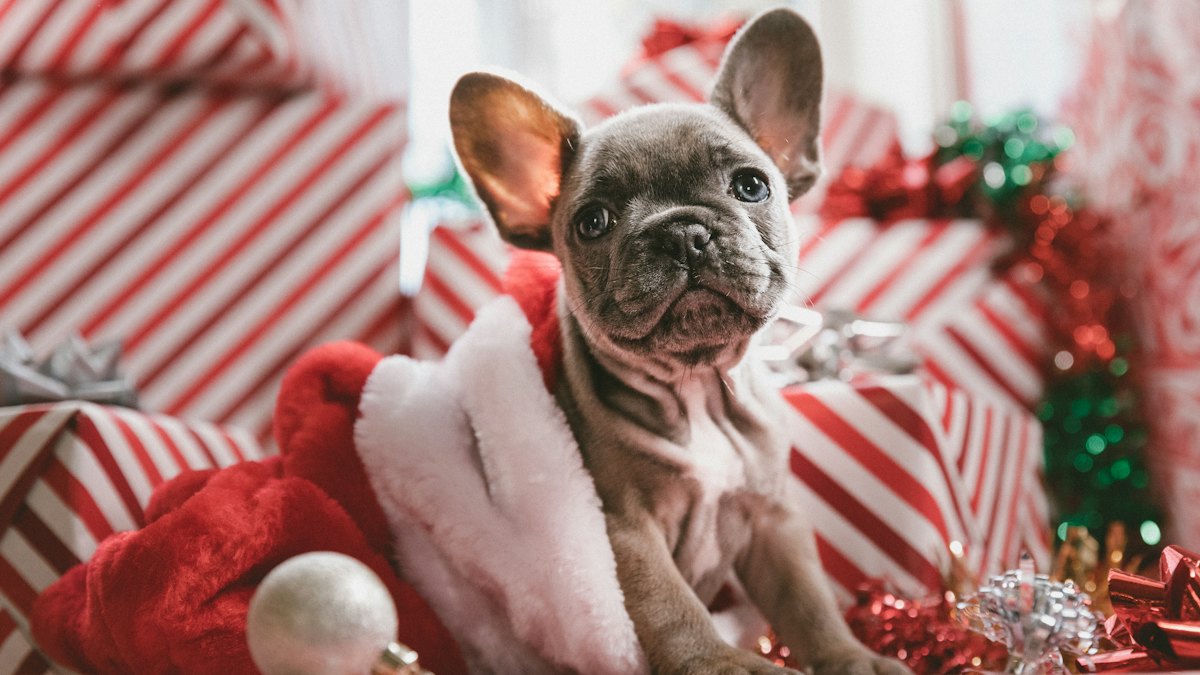
At Christmas the house fills up with food, sweets and guests. For your dog and cat, though, many of these treats are dangerous. Here is what to keep away from them and what to do if they eat something.
The most dangerous foods
- Chocolate. It is toxic to dogs and cats. The darker it is, the more dangerous. It can cause vomiting, a racing heart, shaking and seizures.
- Grapes, raisins and sultanas. In some dogs they cause kidney failure, even in small amounts. Watch out for cakes and sweets with raisins.
- Onions, garlic and leeks. They damage the blood. They often hide in stuffing, sauces and gravy.
- Sugar-free sweets and chewing gum. Many contain xylitol, which is very dangerous for dogs, even in small amounts.
- Macadamia nuts. They can cause weakness, vomiting and shaking.
- Cooked bones. They splinter into sharp pieces that can injure the mouth, throat or gut.
- Fatty leftovers. Skin, pork fat and rich dishes can cause pancreatitis, with vomiting and belly pain.
- Alcohol. Even a little is dangerous for animals.
Melomakarona and kourabiedes
Our favourite festive sweets are not for pets. They are full of butter, sugar and nuts, and sometimes raisins or chocolate. They can upset the stomach or cause something more serious. Keep them high up and away from curious noses.
Extra care for cats: lilies and tinsel
- Lilies. Every part of the lily, even the pollen and the vase water, is very toxic to cats and can damage their kidneys. If you have a cat, it is best not to have lilies at home.
- Tinsel and ribbon. Cats love to play with them, but if swallowed they can block the gut. This often needs surgery.
Signs of poisoning
The signs depend on what your pet ate, and some only show several hours later. Watch for:
- Vomiting or diarrhoea
- A lot of drooling
- Restlessness and overexcitement, or the opposite, a lot of tiredness
- Shaking or seizures
- Belly pain, for example a hunched back
- Drinking a lot or not peeing
Do not wait for signs to appear. If you know your pet ate something dangerous, call straight away.
What to do if your pet eats something dangerous
- Call a vet straight away, even if your pet seems fine. Some toxic foods only show signs hours later.
- Say what and how much they ate, and roughly when.
- Keep the packaging, so we can check the ingredients.
- Do not try to make them vomit at home. It can do more harm than good.
What can they eat?
If you want to share something festive, a little plain boiled or roast chicken or turkey, with no skin, bones, salt or seasoning, is a good choice. Keep it small. Even better, choose a treat made for dogs or cats.
For dogs, a little plain boiled carrot or green bean without salt is also a safe treat. Remember that anything you give from the table counts towards their daily food, so give a little less of their normal meal.
Small tips for a calm holiday
- Ask guests not to feed your pet from the table
- Empty the bin often and keep the lid closed
- Do not leave chocolate gifts under the tree
- Give your pet a quiet room away from the noise
Sources and further reading
The facts in this article are based on guidance from international and European veterinary organisations.
Has your pet eaten something it should not?
Call us straight away and tell us what and how much they ate. Outside our hours, go to a 24-hour emergency vet clinic without delay.
📞 22 015979This article is for information only and does not replace an examination by a vet. If you are worried about your pet, please contact us.