Internal Medicine for Dogs and Cats in Nicosia
Everyday medical care for your dog and cat, from the same vet at every visit. We examine, find out what is wrong and explain what is needed in simple words.
What internal medicine is
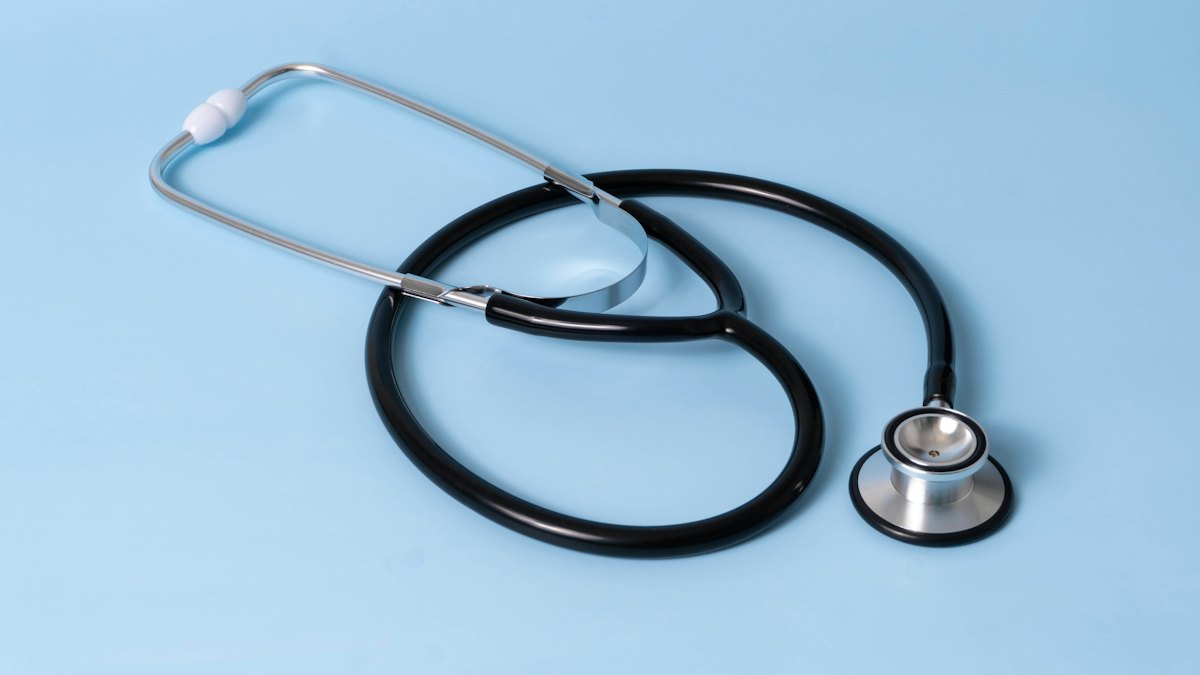
Internal medicine is the everyday medical care of your pet. It is the visit when something is not right, and also the regular check-up when everything seems fine. We examine your dog or cat, find out what is wrong and make a treatment plan together with you.
At Vet to Pet you always see the same vet, Dr George Karantos. He knows your pet's history, so you never have to repeat the same story at every visit.
When your pet needs a visit
Come and see us if you notice any of these:
- Not eating, or eating much less
- Vomiting or diarrhoea that does not settle
- Drinking much more water or peeing more often
- Losing weight, seeming tired or hiding
- Coughing, sneezing or difficult breathing
- Itching, sores or hair loss
- Limping or struggling to get up
Pets also need a regular check-up every year, and more often when they are older, even when everything seems fine. Many problems are found early this way.
How a visit works at our clinic
- Talking it through. You tell us what you have noticed, since when, and how your pet is eating, drinking and moving.
- Physical examination. We check the heart, breathing, belly, skin, eyes, ears, teeth and weight. We also look for signs of pain.
- Tests if needed. Blood and urine tests are done in the clinic, and we usually have results the same day. If needed, we do an X-ray or an ultrasound.
- Treatment plan. We explain what we found in simple words and what we suggest, and we answer all your questions.
- Follow-up. We book a re-check where needed, so we can see that the treatment is working.
How to prepare
- Write down what you have noticed and since when. A video on your phone helps a lot, for example for a cough or a limp.
- Bring any medicines or food your pet is taking.
- Bring cats in a closed carrier and dogs on a lead.
- If you think a blood test may be needed, ask us whether your pet should skip food before coming.
Why it matters
Dogs and cats often hide that they are unwell, cats especially. A careful exam and the right tests find the problem early, when treatment is simpler. And because you always see the same vet, small changes from one visit to the next do not go unnoticed.
Long-term health problems
Some problems do not go away with one treatment, but they can be controlled very well with the right follow-up. These include kidney disease, diabetes, thyroid problems, skin allergies and arthritis.
For these we make a plan with regular check-ups and tests, and we adjust treatment when needed. We will explain what to watch for at home, such as how much your pet eats and drinks, their weight and how they move. That way your pet can live comfortably and without pain for as long as possible.
Frequently asked questions
How often should my pet have a check-up?
At least once a year, and more often for older pets or pets with long-term problems. We will tell you what suits yours.
Will I see the same vet every time?
Yes. At Vet to Pet you always see Dr George Karantos, who knows your pet's history.
Are blood tests done on the same day?
Yes. Blood tests are done in the clinic and we usually have results the same day.
Do I need an appointment?
Yes, the clinic works by appointment, so we can give each pet the time they need. Call 22 015979.
What if it is urgent and you are closed?
Go to a 24-hour emergency vet clinic. Afterwards we will be happy to continue your pet's care.
Related articles
Sources and further reading
The facts in this article are based on guidance from international and European veterinary organisations.
- Principles of Wellness (WSAVA)
- Pain Guidelines (WSAVA)
- Global Nutrition Guidelines (WSAVA)
Book an examination
If something does not seem right, or you would like a regular check-up, call us to book.
📞 22 015979