Senior Dogs and Cats: What the Check-up Covers
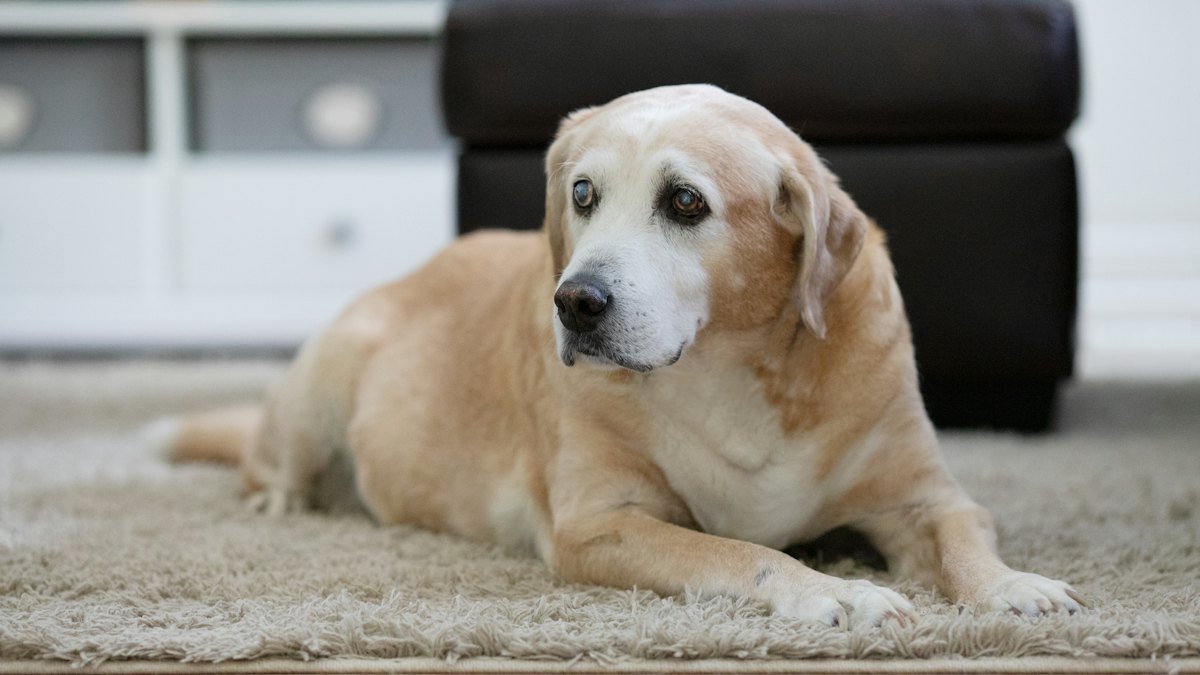
Our pets age much faster than we do. As the years go by, their needs change and some health problems become more common. A regular check-up helps us find them early, when they are easier to treat.
When is a pet a "senior"?
There is no single age for every pet. Usually:
- Dogs: from around 7 to 8 years old. Large breeds age faster, so they become seniors earlier.
- Cats: from around 10 years old.
Why are regular check-ups important?
Animals are very good at hiding that they feel unwell. Changes in older pets happen slowly, and we often get used to them without noticing. A dog that climbs the stairs a bit more slowly, or a cat that drinks a little more water, may not seem worrying, but these can be the first signs of a problem.
That is why we suggest a check-up every 6 to 12 months for senior pets.
What our senior health profile includes
- A full physical exam: heart, lungs, teeth, eyes, ears, skin, joints and belly.
- Weight: because even small changes tell us a lot.
- Blood tests: including the SDMA test, which can show kidney changes earlier than older tests.
- Checks for diabetes, liver and thyroid. An overactive thyroid is common in older cats.
- Blood pressure measurement, which matters especially in cats with kidney or thyroid problems.
- A urine test.
Blood tests are done in our clinic, so we usually have results the same day.
Signs to watch for at home
- Drinking more water or peeing more often
- Losing or gaining weight
- Eating less
- Stiffness, or being slower on stairs and when jumping
- Changes in sleep, or seeming confused
- Bad breath
- New lumps on the body
- Coughing
- Accidents in the house when this did not happen before
If you notice any of these, do not wait for the next check-up. Book an appointment sooner.
Small changes at home that help a lot
- A soft, warm bed away from draughts
- Ramps or steps for the sofa or the car
- Non-slip rugs on shiny floors
- A healthy weight, because extra weight puts strain on the joints
- Gentle, regular exercise, with shorter walks if needed
- Food suited to your pet's age. We can suggest the best option.
Pain and arthritis: often missed
Many owners think their dog has "just got old" when they sleep more or do not want long walks. Often, though, the cause is joint pain. Cats show it even more quietly: they stop jumping onto high places, groom less or go to the toilet outside the litter tray. Pain can be treated, and it makes a big difference to their daily life.
Do not forget the teeth
Dental problems are very common in older pets. A painful tooth can make a pet eat less or chew on one side. At every check-up we look in the mouth and tell you if a clean is needed.
Vaccines and parasite control continue
Older pets still need protection from diseases and parasites, maybe even more, because their bodies cope less well. At the check-up we see what is needed and adapt the plan to your pet's age and lifestyle. With the clinic's SMS reminders, you do not have to remember the dates yourself.
Sources and further reading
The facts in this article are based on guidance from international and European veterinary organisations.
Book a check-up for your older pet
Our senior health profile is done at our clinic in Kaimakli, and blood results are usually ready the same day.
📞 22 015979This article is for information only and does not replace an examination by a vet. If you are worried about your pet, please contact us.