Dental Care for Dogs and Cats
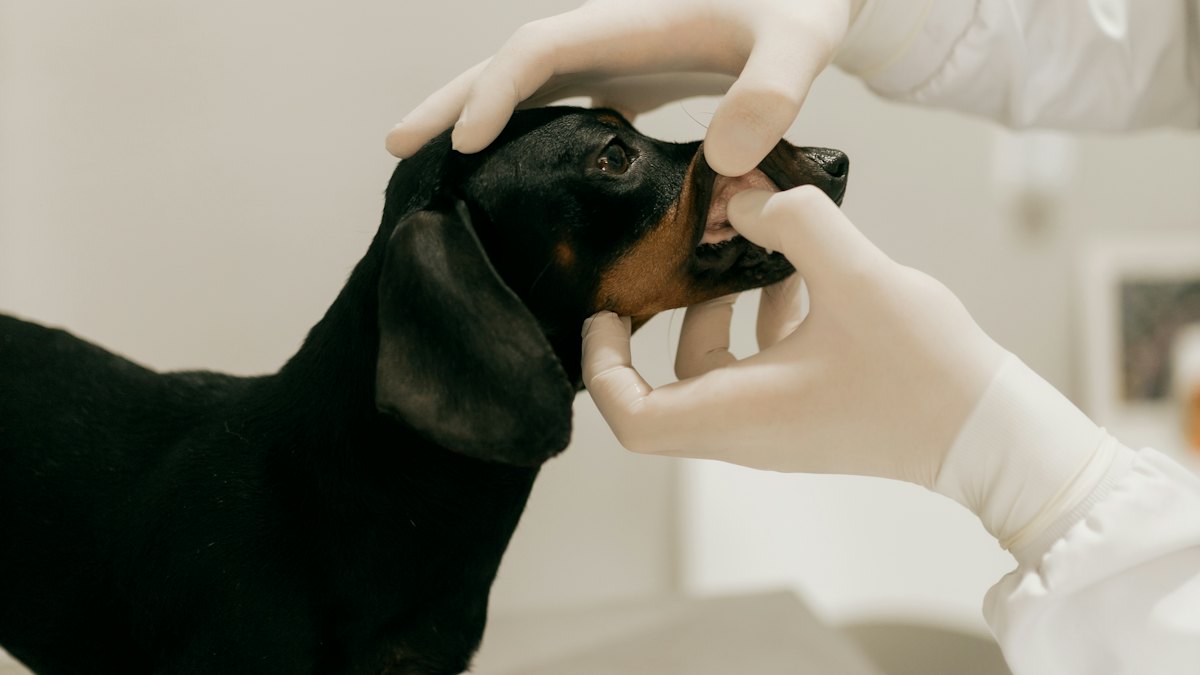
Dental problems are among the most common things we see in adult dogs and cats. They often go unnoticed, because animals are very good at hiding pain. With a little care at home and regular check-ups, we can keep their mouths healthy.
How does the problem start?
After eating, a thin layer of bacteria called plaque stays on the teeth. If it is not cleaned off, within a few days it hardens into tartar, which looks yellow or brown. Tartar irritates the gums, which become red and sore. Over time, the inflammation goes deeper and teeth can become loose or damaged.
Small dogs and flat-faced breeds often have more problems, because their teeth are packed closely together.
Signs to watch for
- Bad breath
- Red or bleeding gums
- Yellow or brown tartar on the teeth
- More drooling than usual
- Chewing on one side only
- Dropping food from the mouth
- Pawing at the mouth
- A cat eating less or stopping eating
Many animals keep eating normally even when they are in pain. That is why a check by the vet matters.
Care at home
Brushing
Brushing is the best way to keep teeth clean. Use a toothpaste made for pets and a soft brush or a finger brush.
- Start slowly. For the first few days, just let them lick a little toothpaste from your finger.
- Then gently touch their teeth and gums with your finger.
- Next, move on to the brush, just a few seconds at first.
- Aim for once a day. Daily brushing gives the best protection.
- Praise them and give a small reward at the end.
Dental chews and diets
There are dental chews and special diets that help reduce plaque. They help, but they do not replace brushing.
Professional cleaning
Once there is tartar, brushing is not enough. A clean at the clinic is needed. It is done under general anaesthesia, because this lets the vet clean below the gum line, where most problems start, and safely check every tooth. Cleaning without anaesthesia only cleans the surface and does not solve the problem.
If a tooth is badly damaged, it may need to be removed. Pets usually eat much better afterwards, because they are no longer in pain.
Before anaesthesia we usually run blood tests to make sure your pet is ready. The tests are done in our clinic, with results the same day. We will also tell you when to stop giving food beforehand.
How to look inside the mouth at home
Once a week, gently lift the lips and look at the teeth and gums, especially the back teeth. Healthy gums are pink, not red. Teeth should be white, without heavy tartar or broken pieces. If you see something that worries you, book an appointment.
Why it matters for the whole body
An inflamed mouth does not only hurt. Bacteria from the gums can enter the blood and affect other organs too. Healthy teeth help your pet eat well, stay active, and greet you without bad breath.
A check at every visit
At every visit to Vet to Pet, we check the mouth and teeth. This way we find problems early, before they become painful and harder to treat.
Sources and further reading
The facts in this article are based on guidance from international and European veterinary organisations.
- Dental Guidelines (WSAVA Global Dental Guidelines and resources) (WSAVA)
- Introducing Toothbrushing (WSAVA Global Dental Committee toolkit) (WSAVA)
- A Statement on Anaesthesia-Free Dental Procedures for Cats and Dogs (FECAVA and EVDS position paper) (FECAVA)
- My dog has been diagnosed with dental disease (BSAVA PetSavers client information leaflet) (BSAVA)
Book a dental check
If you see tartar or notice bad breath, come in for a check. We will tell you if a clean is needed and how to care for their teeth at home.
📞 22 015979This article is for information only and does not replace an examination by a vet. If you are worried about your pet, please contact us.