Puppy and Kitten Vaccinations: The Schedule
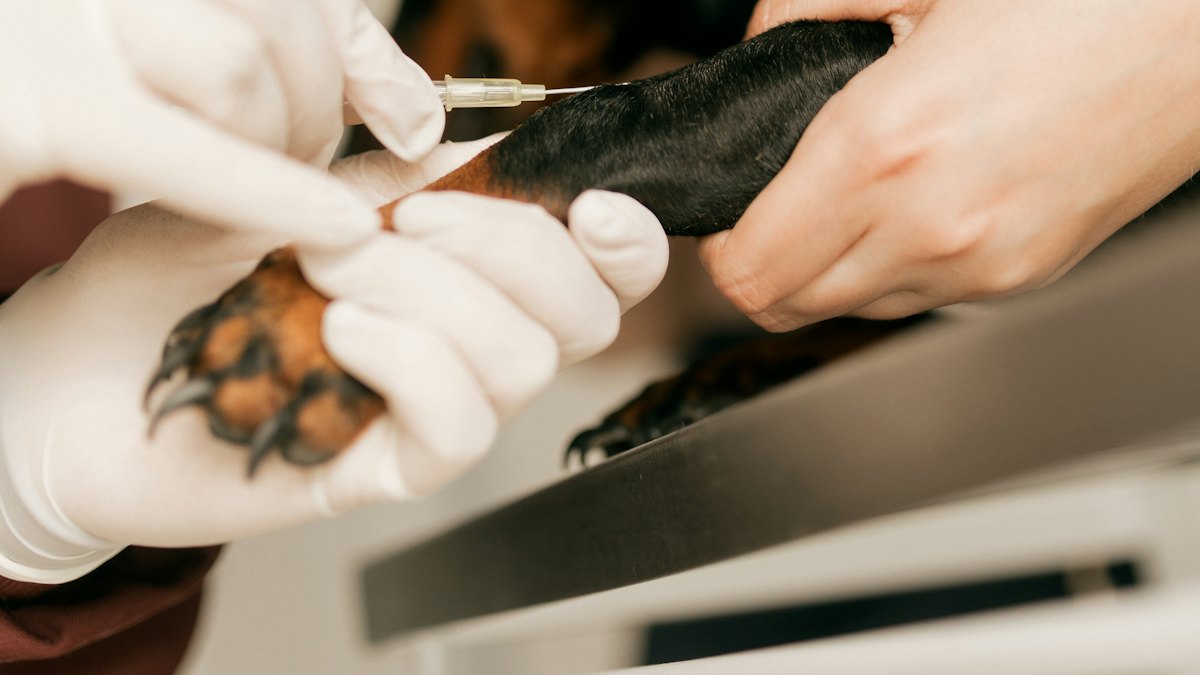
A new puppy or kitten is a big joy. Vaccines are one of the first things they need, because they protect against diseases that can be very serious. Here is the basic plan, in simple words.
Why do they need vaccines?
Young animals get some protection from their mother, but it fades in the first weeks. Vaccines teach the body how to fight back. That is why they are given in several doses, a few weeks apart, until good protection is built up.
Vaccines for puppies
The core dog vaccines protect against:
- Distemper, a serious viral disease
- Parvovirus, which causes severe diarrhoea and vomiting and is very dangerous for puppies
- Infectious hepatitis
A leptospirosis vaccine is also commonly given. The rabies vaccine is needed for travel abroad and is recorded in the pet passport. The kennel cough vaccine depends on your dog's lifestyle, for example if they stay in boarding kennels.
When are they given?
- The first vaccine is usually given at 6 to 8 weeks
- It is repeated every 2 to 4 weeks, with the last dose at 16 weeks or older
- A booster is given at around 6 to 12 months of age, as your vet advises
- After that, boosters follow as your vet advises
Vaccines for kittens
The core cat vaccines protect against:
- Panleukopenia, a serious gut disease
- Herpesvirus and calicivirus, which cause "cat flu", with sneezing, runny eyes and mouth ulcers
For kittens under one year, and for cats that go outside or live with cats that do, we also suggest the feline leukaemia (FeLV) vaccine. The rabies vaccine is needed if your cat will travel.
When are they given?
- The first vaccine is usually given at around 8 to 9 weeks
- The second dose follows 2 to 4 weeks later
- The last dose is given at 16 weeks or older, so most kittens need three doses
- After that, boosters follow as your vet advises
What else do they need in the first months?
- Deworming, often from the first weeks
- Flea and tick protection, with a product suitable for their age and weight
- A microchip, so they can be found if they get lost
- A pet passport, where vaccines are recorded
What happens at the first visit?
We check your puppy or kitten from nose to tail: heart, eyes, ears, teeth, skin and weight. We talk about food, toilet training and life at home. If they are healthy, we give the vaccine and the plan for the next doses. Bring any papers you were given when you got them.
Do vaccines have side effects?
Usually not, or they are very mild. After a vaccine, your pet may be a little tired for a day or have a small swelling where the injection was given. This goes away on its own.
Rarely, an allergic reaction can happen. If you see swelling of the face, vomiting, trouble breathing, or if your pet collapses, call a vet straight away. Outside our hours, go to a 24-hour emergency vet clinic.
How do you keep track of the dates?
At Vet to Pet we send SMS reminders for vaccines and deworming. We also have an app where you can see your pet's health records. Every animal is different, so we set the exact plan together at the first visit.
Sources and further reading
The facts in this article are based on guidance from international and European veterinary organisations.
Book the first visit
Bring your puppy or kitten in for a check and vaccines. We will set up their plan together and send you SMS reminders.
📞 22 015979This article is for information only and does not replace an examination by a vet. If you are worried about your pet, please contact us.