Heatstroke in Dogs: Signs and First Aid
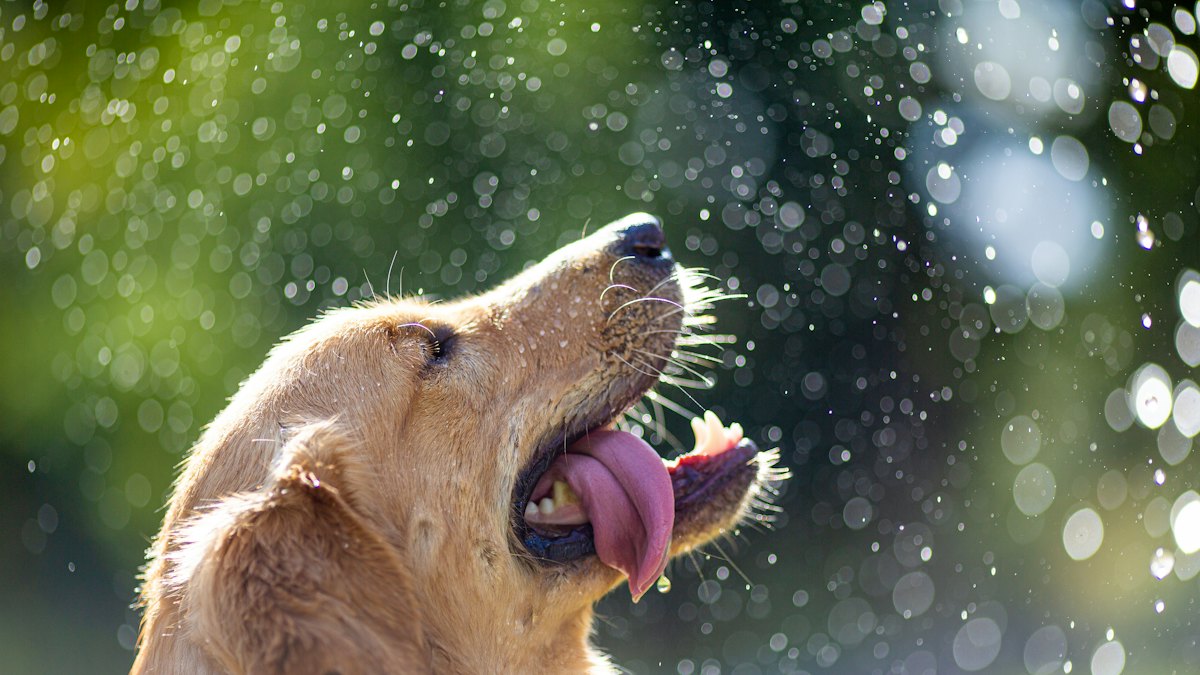
Summer in Cyprus is long and very hot. For dogs, heat can become dangerous very quickly. Heatstroke is an emergency, but with a little care you can prevent it.
Why do dogs overheat so easily?
Dogs do not sweat the way we do. They cool down mainly by panting. When the air is very hot and humid, panting is not enough, and their body temperature rises to dangerous levels.
Which dogs are most at risk?
Any dog can get heatstroke. But some are at higher risk:
- Short-nosed breeds, such as pugs, French bulldogs and boxers
- Overweight dogs
- Older dogs and very young puppies
- Dogs with thick or long coats
- Dogs with heart or breathing problems
Never leave a dog in the car
Never leave your dog in the car, not even for a few minutes and not even with the windows open. On hot days, the temperature inside a car rises much faster than most people think. A quick stop at the kiosk can be enough to put your dog's life at risk.
The signs of heatstroke
- Heavy, fast panting
- Lots of drool
- Bright red, pale or dark gums
- Weakness or wobbling
- Vomiting or diarrhoea
- Confusion, or not responding as usual
- Collapse
If you see these signs on a hot day, act straight away. Every minute counts.
What to do straight away: first aid
- Move your dog into the shade or a cool room.
- Pour cool water over the body, especially the belly and paws. Any cool water you have to hand will do.
- Use a fan to blow air over your dog, if you have one.
- Offer small amounts of water to drink. Do not force it.
- Cool, wet towels on the head, neck and chest can help if you change them often. Do not cover your dog with a towel and leave it there, because it traps the heat.
- Go to a vet immediately, even if your dog seems to be getting better. Keep cooling on the way, with the air conditioning on.
How to prevent it
- Walk early in the morning and late in the evening, when it is cooler.
- Check the pavement. Hold the back of your hand on the asphalt for 5 seconds. If it is too hot for you, it is too hot for your dog's paws.
- Shade and fresh water at all times, at home and in the garden.
- No hard exercise in the hot hours. Ball games can wait until the sun goes down.
- Keep your dog at a healthy weight. Extra weight makes the heat more dangerous.
What we do at the clinic
When you bring your dog in after heatstroke, we first keep cooling them safely and check their temperature. Then we run blood tests to see if the kidneys, liver or blood clotting have been affected. Blood tests are done in our clinic, so we get results quickly. Some dogs need a drip and monitoring for several hours.
Heat myths and facts
- "The car is fine in the shade." No. A car still heats up in the shade, and the sun moves.
- "I should shave my dog completely to keep him cool." Not always. In some breeds the coat protects against the sun. Good brushing or a trim helps, but ask us before shaving completely.
- "The beach is safe." The sand burns paws and dogs may drink sea water. Take shade and fresh water with you.
A check before summer
If your dog is older, has a short nose or has heart or breathing problems, it is a good idea to see us before the hot weather arrives. We will tell you what to watch for and how to keep your dog safe.
Sources and further reading
The facts in this article are based on guidance from international and European veterinary organisations.
Worried about your dog in the heat?
If your dog is in a high-risk group, come in for a check before summer. We will tell you what to watch for.
📞 22 015979This article is for information only and does not replace an examination by a vet. If you are worried about your pet, please contact us.