Grass Seeds in Your Dog's Ears and Paws
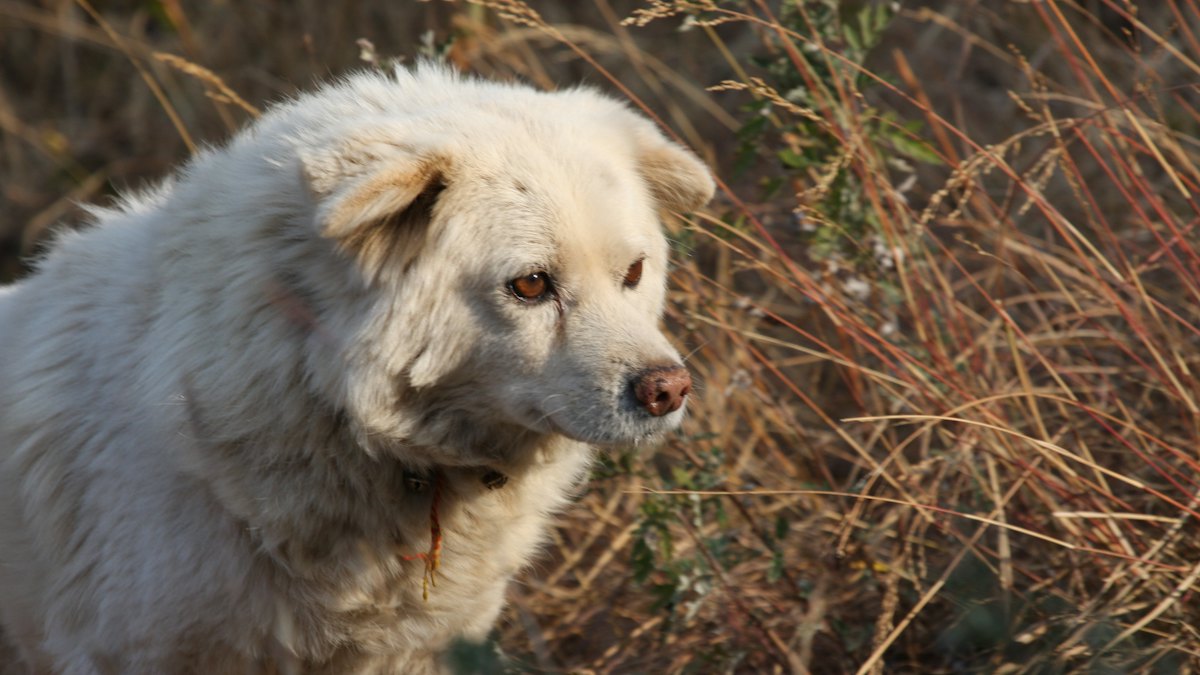
In spring and early summer, the grass in Cyprus dries out fast. That is when grass seeds appear. They are small, but they can cause a lot of pain and serious problems for dogs.
Why are they dangerous?
A grass seed is shaped like an arrow, with tiny barbs. That means it can only move forward, never back. Once it gets into an ear or between the toes, every movement your dog makes pushes it deeper. It can even travel under the skin and deeper into the body, for example into the chest, and the signs may only show weeks later.
Where they go and what you will see
In the ear
- Sudden head shaking
- Holding the head tilted to one side
- Scratching at the ear and crying when you touch it
Between the toes
- Licking the paw all the time
- Swelling or a small lump
- Limping
In the nose
- Sudden, strong sneezing
- Sometimes a little blood from one nostril
In the eye
- Squinting or keeping the eye closed
- Watery eye
What not to do
Do not put drops in the ear, and do not try to pull out a grass seed that is deep. It can break, get pushed further in or damage the eardrum. If you can easily see a seed sitting on the surface of the coat, you can remove it. For anything deeper, bring your dog to the clinic.
How we remove them at Vet to Pet
At Vet to Pet we use advanced otoscopy with a small endoscope. It lets us see deep into the ear canal on a screen and remove the seed safely, seeing exactly what we are doing. Sometimes light sedation is needed so your dog stays calm and pain free.
How to prevent it
- Avoid long dry grass on walks from spring to summer.
- Check after every walk: ears, paws, between the toes and the coat.
- Keep fur trimmed between the toes and around the ears, especially in long-haired breeds.
- Brush your dog after walks, to remove seeds before they get in.
When is it urgent?
Come in the same day if your dog keeps shaking its head, is limping badly, cannot stop sneezing or has a problem with an eye. A grass seed in the eye can scratch the surface of the eye, so do not wait. Our clinic works by appointment. Outside our hours, for anything that cannot wait, go to a 24-hour emergency clinic.
If your dog has had a grass seed before, it can happen again. Checking after every walk is the best protection.
Common questions
Which dogs are most at risk?
Any dog can be affected, but it is more common in dogs with long coats and floppy ears, like spaniels, and in dogs that run a lot through fields. Cats are affected much less often.
Can a grass seed come out on its own?
Very rarely. Because it only moves forward, it usually goes deeper. If it stays in, it can cause infection, an abscess or damage to the eardrum.
My dog is shaking its head after a walk. What should I do?
If the head shaking starts suddenly after a walk in grass, a grass seed is very likely. Do not put anything in the ear, and call us for a same-day appointment if possible.
Does my dog need to be sedated?
Not always. If your dog is calm, the seed can sometimes come out without sedation. If your dog is in a lot of pain or the seed is deep, light sedation makes it safer and more comfortable.
Sources and further reading
The facts in this article are based on guidance from international and European veterinary organisations.
Think your dog has a grass seed?
Call us. With a small endoscope we can see deep inside the ear and remove the seed safely.
📞 22 015979This article is for information only and does not replace an examination by a vet. If you are worried about your pet, please contact us.